Insights · 04 analyses

Field notes on how space and geospatial technology is bought, sold and deployed.

Written from the field, across the Middle East, Africa and Asia. Each analysis starts from a decision a buyer or a technology company actually faces.
  1. 01 · 10 min read

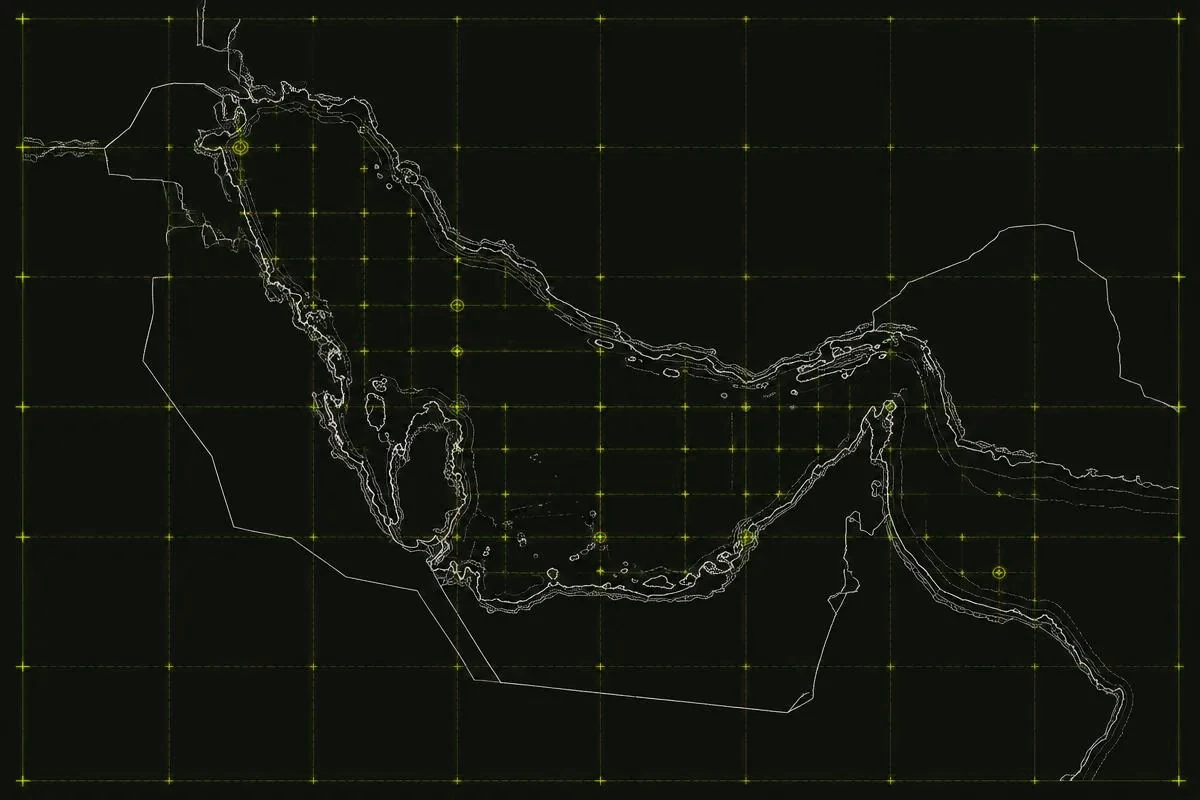
    How geospatial technology is bought: the Middle East, Africa and Asia

    Local integrators, public cycles and African channels decide the purchase well before performance is compared. Asian supply is now redrawing growth routes.

    Key takeawayThe local integrator is part of the delivery model, not an optional intermediary.

    Who it is for · For executives entering public markets in the Gulf, Africa or Asia

    Read the analysis
  2. 02 · 8 min read

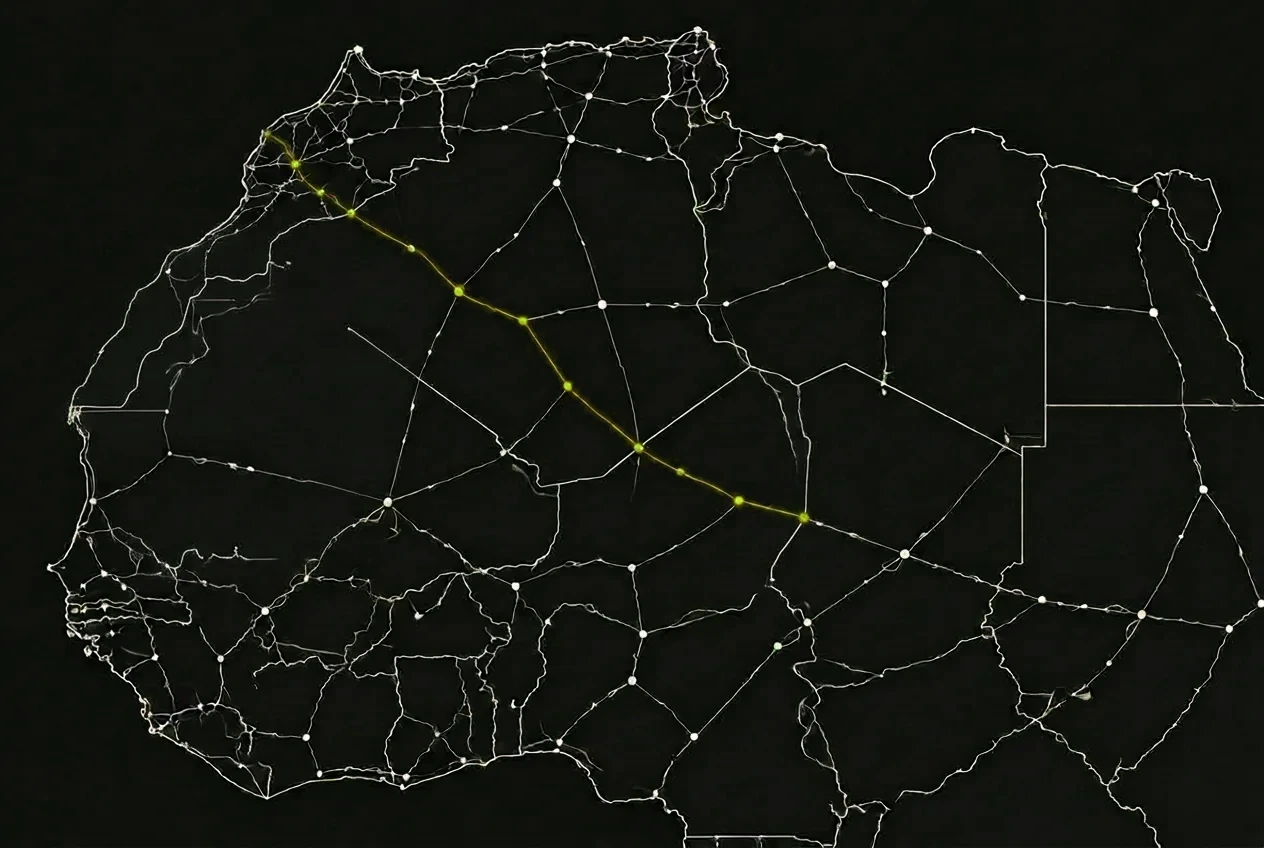
    Building distribution channels in Francophone Africa

    Exclusivity granted too early turns a commercial assumption into lasting dependency.

    Key takeawayExclusivity should follow proof, not precede it.

    Who it is for · For technology companies building partner channels in Africa

    Read the analysis
  3. 03 · 8 min read

    Turning a technical specification into a business case

    Performance has commercial value only when it reduces risk, cost or uncertainty for the buyer.

    Key takeawayA specification describes the product; an argument explains a consequence.

    Who it is for · For sales and product teams selling complex technology

    Read the analysis
  4. 04 · 8 min read

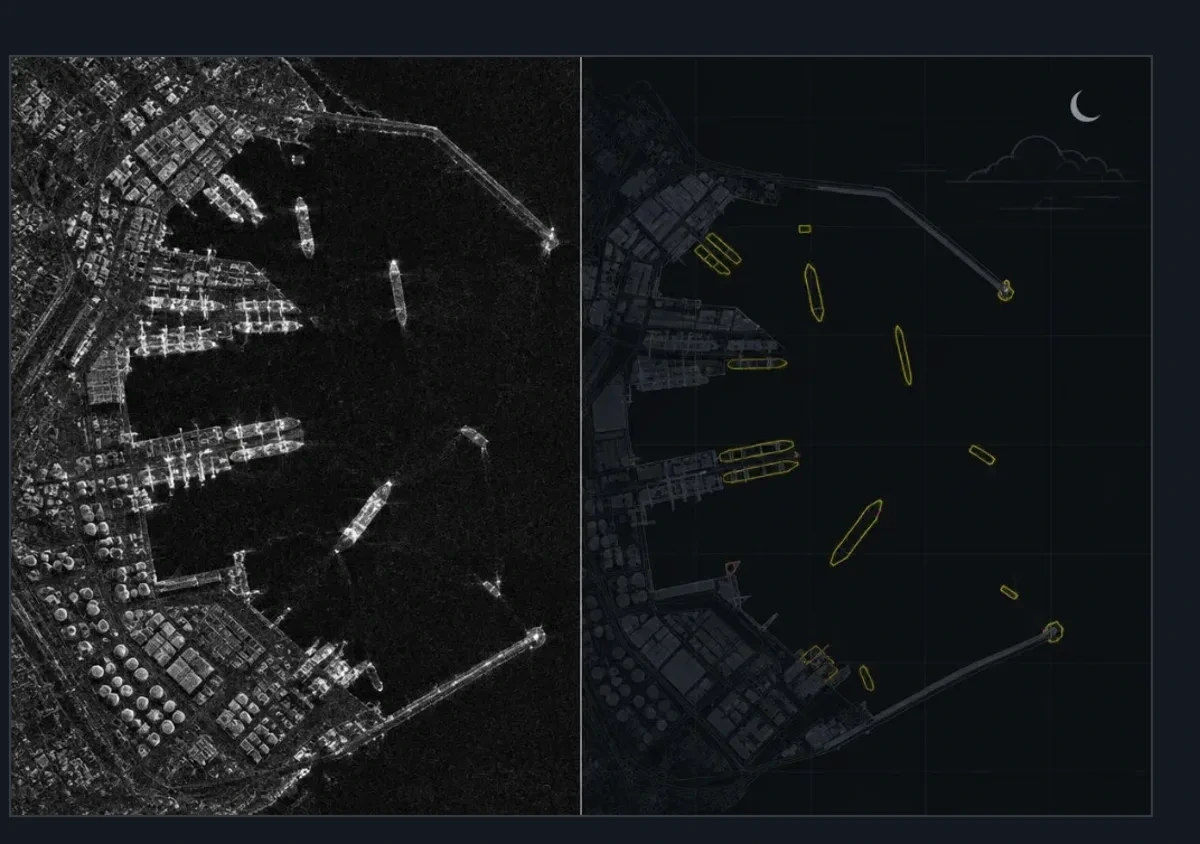
    Optical and SAR together: change detection by day, by night and in any weather

    An optical sensor sees what a person understands; a radar sees when nothing else can. The value appears when both work as one system.

    Key takeawayMonitoring built on optical alone stops at night and under cloud.

    Who it is for · For decision-makers buying satellite monitoring

    Read the analysis

If this resonates with your own experience, I’d be glad to continue the conversation on LinkedIn.

Direct channel